How Heat Pump Installers Get Found in Google and AI in Ireland
A heat pump or solar system is one of the biggest, slowest purchases a homeowner makes. Nobody rings on impulse. They read for weeks about grants, suitability and running costs, weigh up two or three installers, and only make contact once they already trust one. An installer who wants a steady flow of that work has to be found across the whole of that window, not just at the end. This guide covers how: how people actually research heat pumps and solar in Ireland, how the SEAI grants shape the questions they ask, how to win the high-value installs, and how to be the name Google and AI answers put forward. For how we handle all of this for renewables businesses, see our work with heat pump and renewables installers.
How Homeowners Really Research a Heat Pump or Solar System
The research window for a heat pump or solar install is long, and it decides how you get found. A homeowner rarely starts with an installer at all. They start with the technology and the money: does a heat pump actually work in an Irish house, what does an air-to-water system cost to run, is my home suitable, how much is the SEAI grant worth. Weeks of reading like that happen before your name enters the picture.
By the time they search for an installer, they are already informed and comparing. Terms like air-to-water heat pump installation, solar PV installers near me or heat pump grant with a county attached are the ones that carry a ready buyer, and they choose from the two or three names they already half-trust. Being present earlier, through the reading stage, is what puts you on that shortlist.
Most installers optimise for none of this, or only the final installer near me search, and miss the long tail of questions that shape the decision. Getting found properly means covering the whole journey, from the first grant question to the final comparison. Our broader guide on how local trades get found in Google and AI sets out the same principle across every trade.
How the SEAI Grants Shape What People Search For
Grants drive the heat pump and solar market more than anything else, and they shape the exact words people type. SEAI offers grants towards heat pumps and solar PV, and a homeowner will search hard around them: how the grant works, what they qualify for, which installers can do grant work. That last point matters, because grant-funded work has to be carried out by an SEAI-registered installer, so being registered is a genuine reassurance to show plainly.
Handle the grant content honestly. You can explain how the process works and note that a heat pump grant runs to a few thousand euro, kept clearly as an indicative figure rather than a promise, without ever guaranteeing anyone qualifies or quoting a hard number that dates. Pages that answer the grant and suitability questions plainly are exactly what a researching homeowner is looking for, and being useful there is what earns the enquiry later.
None of this is a promise of a ranking or a result. It is meeting the buyer where the real questions are, so your business is in front of them while they decide. Reviews then carry the trust the rest of the way, and our guide on getting more Google reviews covers building that flow.
Winning the High-Value Installs: Heat Pumps, Solar and Batteries
The money in renewables is in the considered installs: air-to-water heat pumps, solar PV with battery storage, air conditioning and wider home energy upgrades. Each is weighed up over weeks, compared against a couple of other installers, and only lands with the one the homeowner already trusts by the time they make contact. Being present through that window is the whole game.
Give each of those jobs its own page. A single services page that lumps heat pumps, solar, batteries and servicing together will never rank for any of them, and it gives a wavering homeowner nothing to hold onto. A dedicated heat pump page, a dedicated solar page, a dedicated servicing page: each can speak to that job in depth, explain suitability and grants honestly, and name the towns you cover. Depth on one install reads as expertise; a list reads as a phone number.
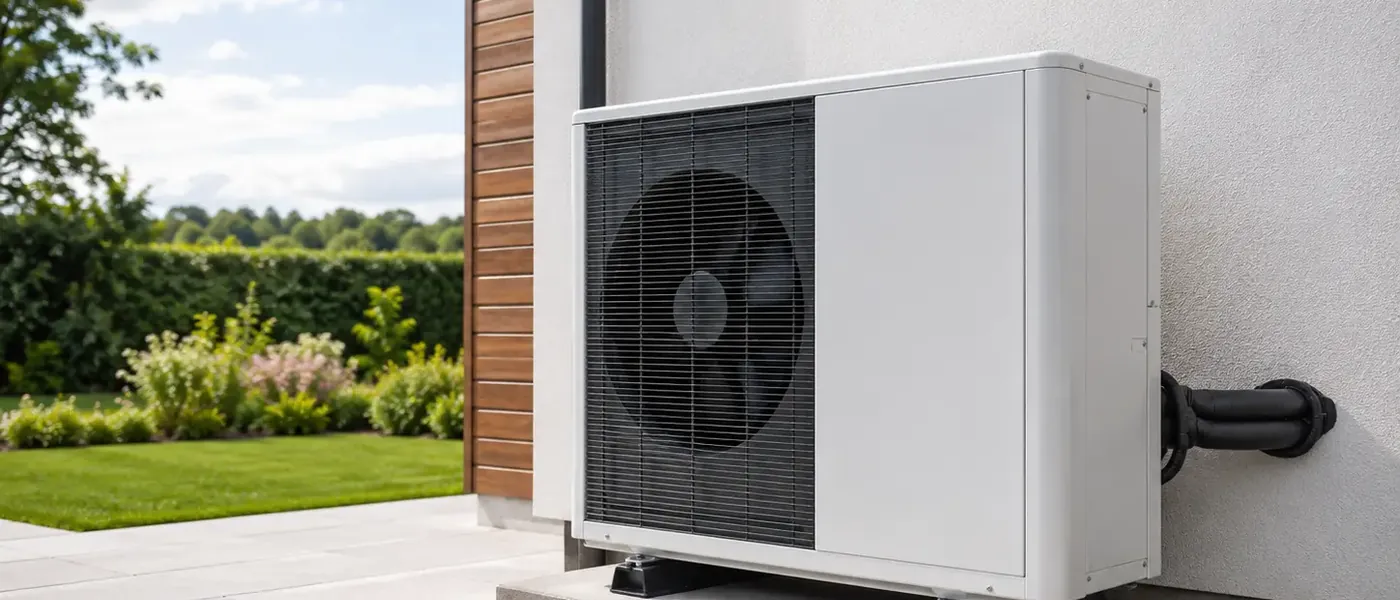
Proof is what separates a page that describes work from one that has clearly done it. Photos of finished outdoor units, a tidy plant room, a neat manifold or a clean solar array are the strongest and most underused asset an installer has. Show your SEAI registration, and your RGII registration for any gas work, plainly too, because on a purchase this size that is the reason a careful homeowner picks you over a cheaper unregistered option.
Setting Up Your Google Business Profile as a Renewables Installer
Your Google profile decides which searches you appear for at all, and most installers quietly cap themselves. A single vague category tells Google you do heating in general. If air-to-water heat pumps, solar PV and air conditioning are where your margin is, the category set has to say so, or you stay invisible for exactly the work you most want.
Set a category like HVAC contractor or Heating contractor as your primary, then add the secondaries that unlock the bigger jobs. Solar energy contractor and Air conditioning contractor are the ones that matter most, and each makes you eligible to show for a whole class of search you would otherwise miss. Fill the services and description with the same specifics: air-to-water heat pump installation, solar PV and battery storage, air conditioning, servicing and grant work.
Keep the profile working by posting proof straight onto it: photos of finished installs, your SEAI registration in the description, and the counties you actually cover as service areas. Google keeps its own guidance on categories and profile fields at support.google.com/business. Our step-by-step on getting a renewables business on Google Maps walks the full setup.
How Heat Pump Installers Get Named in AI Answers Like ChatGPT and Google AI
More people now ask an assistant before they open a search box. Does a heat pump work in an older house, is solar worth it in Ireland, how much is the heat pump grant, who installs air-to-water systems in my county: these go into ChatGPT and Google's AI answers, and the assistant replies in prose, sometimes naming who to call. Most renewables firms have never been set up to be one of those names, which makes it a real opening while the market is quiet.
To be named, publish content that answers those real grant, cost and suitability questions in plain, structured language. Clear question-and-answer sections, an honest explainer on whether a heat pump suits a given home, a straight guide to how the SEAI grant process works: assistants lean on pages that give a specific answer cleanly, and they favour sources that read as informative rather than salesy.
Structured data reinforces it by telling machines plainly what your business is, where it works and what it does. Google documents the local business markup at developers.google.com, and we handle it as part of the build so your renewables business is described in a form both search engines and assistants can read. For the wider picture, our guide on getting recommended by ChatGPT and AI goes deeper.
A Heat Pump Installer's Checklist for Getting Found
If you do nothing else, work through these in order. Together they cover the whole of a renewables buyer's journey, from the first grant question to the enquiry at the end.
- Complete and verify your Google Business Profile, with the right categories, service areas and opening hours, so you are eligible for the local pack.
- Set HVAC contractor or Heating contractor as your primary category, then add Solar energy contractor and Air conditioning contractor to reach the bigger installs.
- Gather Google reviews steadily and reply to them, so the trust that wins a considered job keeps building on your profile.
- Give each high-value install its own page: air-to-water heat pumps, solar PV and battery, air conditioning and servicing, each with real depth and the towns you cover.
- Photograph finished installs worth showing, outdoor units, plant rooms, manifolds and solar arrays, and put them on the matching service page.
- Answer the grant and suitability questions honestly, including how the SEAI process works, without promising anyone qualifies.
- Display your SEAI registration, and RGII for any gas work, plainly, as the trust signal that wins careful homeowners.
- Add question-and-answer content on the real cost, grant and suitability questions, so assistants can quote a clear answer from you.
- Keep it all consistent across your site, your profile and your directory listings, so search engines and AI describe the same installer everywhere.
Ranksy builds websites that get hvac found on Google and ChatGPT, with a client portal to follow every enquiry. See how it works for hvac, plumbers or electricians, check the price, or ask for a free audit.